




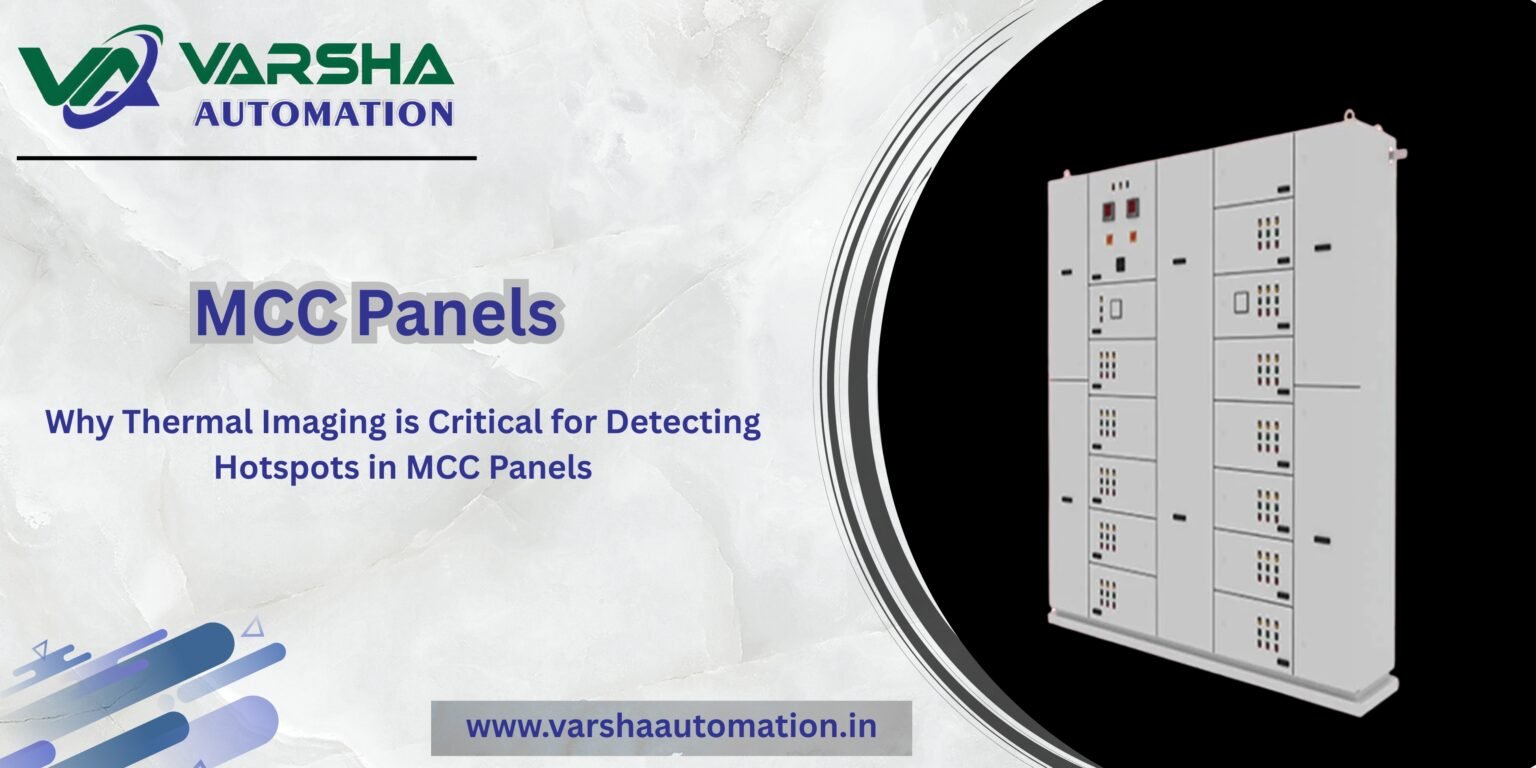
Why Thermal Imaging is Critical for Detecting Hotspots in MCC Panels
Inside an industrial Motor Control Center (MCC), high currents pass continuously through copper busbars, circuit breakers, contactors, and cable lugs. While a panel might look perfectly fine from the outside, invisible electrical resistance inside can generate intense heat.
Left unchecked, this heat accelerates component wear, melts insulation, and ultimately causes catastrophic electrical fires or sudden production shutdowns. Infrared thermal imaging has become the gold standard for catching these hidden dangers before they turn into emergencies.
Common Causes of Hotspots in MCC Panels
1. Loose Mechanical Terminations
The most frequent culprit behind electrical hotspots is a poorly torqued bolt or terminal screw. As machinery vibrates and thermal cycles repeat over months of operation, connections loosen. This increases electrical resistance, concentrating current flow into a restricted contact point and generating extreme heat.
2. Overloaded Circuits and Imbalanced Phases
Running motors close to or above their rated capacity, combined with unequal current distribution across phases, pushes copper conductors and switching components beyond their thermal limits.
3. Aging or Under-Sized Components
Older contactors, overload relays, or sub-spec wiring subjected to continuous heavy loads develop internal contact wear, increasing electrical resistance and elevating operating temperatures.
Benefits of Routine Thermographic Inspections
Non-Invasive Diagnostics: Thermal cameras allow maintenance teams to scan energized panels safely without disrupting active production schedules or opening live enclosures unnecessarily.
Early Fault Detection: Infrared scans reveal abnormal temperature gradients long before components begin to discolor, smoke, or trigger thermal overloads.
Targeted Repairs: Instead of guessing which part is failing, thermography pinpoints the exact terminal or breaker requiring maintenance, saving time and labor costs.
Conclusion
Catching thermal anomalies early is essential for extending the lifespan of your heavy-duty electrical assets. When designing reliable motor control systems for rigorous industrial environments, integrating a high-performance MCC Panel ensures superior component quality, robust busbar sizing, and safe, long-term power distribution.