




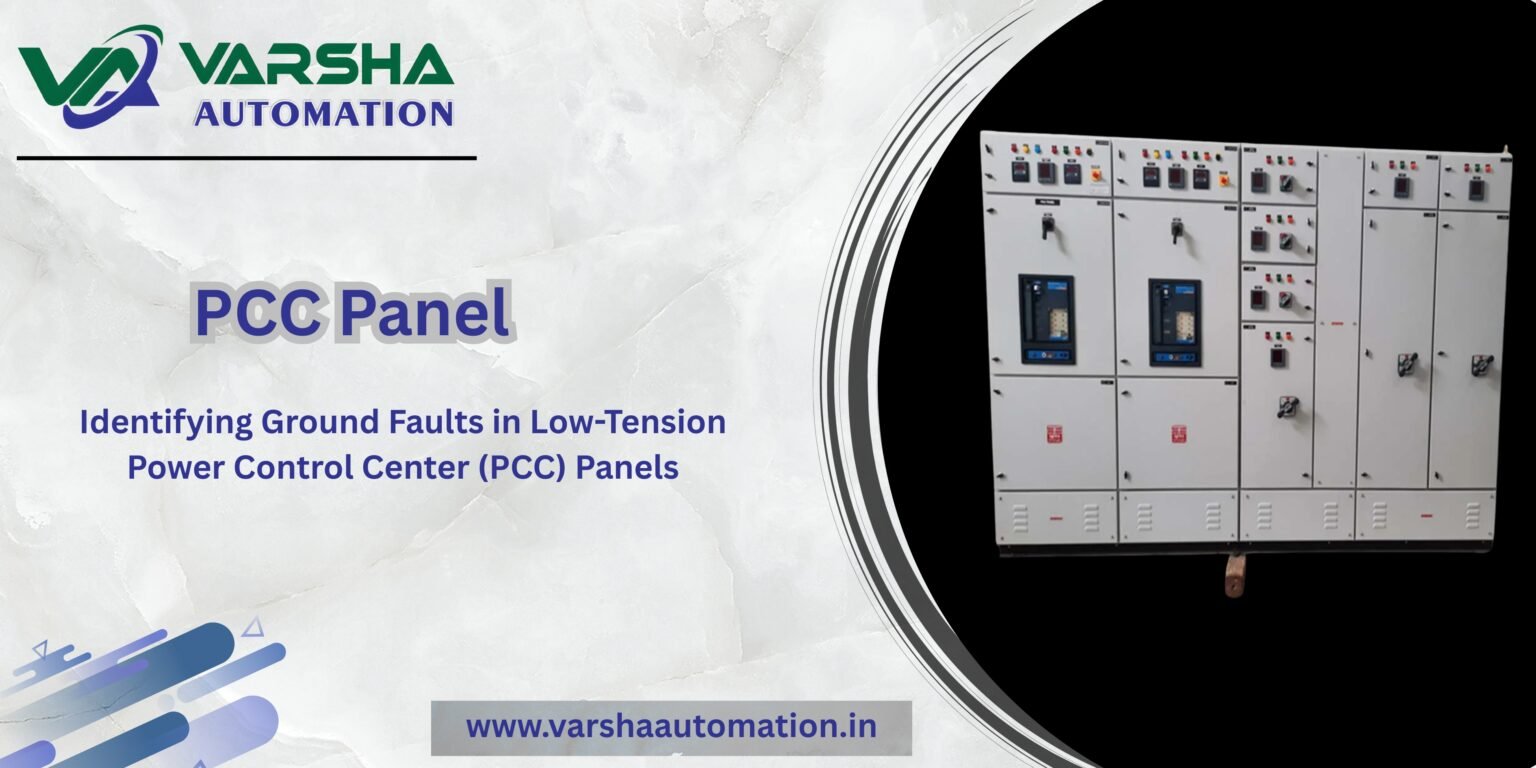
Identifying Ground Faults in Low-Tension Power Control Center (PCC) Panels
In industrial electrical distribution, the Power Control Center (PCC) panel serves as the primary distribution hub, feeding power down to sub-panels, motor control centers, and heavy machinery. While electrical systems are designed for closed-loop operation, insulation breakdown or accidental contact between a live conductor and the grounded metallic enclosure results in a ground fault.
Unchecked ground faults can trigger unexpected main breaker trips, damage distribution busbars, and create serious electrical shock hazards for maintenance personnel.
Common Causes of Ground Faults in PCC Panels
1. Insulation Breakdown and Thermal Degradation
Over years of continuous operation, exposure to high ambient temperatures, humidity, and electrical stress can crack or degrade cable insulation. When frayed insulation touches the grounded steel frame of the panel, a fault occurs.
2. Accumulation of Conductive Dust and Moisture
Industrial environments often introduce metallic dust, carbon particles, or moisture condensation inside panel enclosures. These elements bridge the gap between live busbars and the grounded enclosure, creating a low-resistance tracking path.
3. Loose Hardware or Trapped Conductors
During maintenance or installation, stray wire strands, dropped washers, or improperly torqued terminal bolts can make accidental contact with grounded enclosure walls when energized.
Step-by-Step Diagnostic Process
Perform Insulation Resistance Testing: Use a high-voltage insulation tester (Megger) on de-energized circuits to check dielectric strength between phase conductors and earth ground.
Inspect for Visible Tracking and Carbonization: Visually inspect busbar supports, standoff insulators, and cable entry points for black carbon tracks, burn marks, or moisture pockets.
Check Ground Fault Relays and CTs: Verify that core-balance current transformers (CBCT) and ground fault protection relays are properly wired and calibrated to trip instantly when leakage current exceeds safe limits.
Conclusion
Early detection of electrical leakage prevents catastrophic equipment damage and ensures plant safety. When designing reliable low-tension power infrastructure, utilizing a robust, precision-built PCC Panel ensures safe power routing, reliable fault clearing, and long-term protection for your entire factory network.